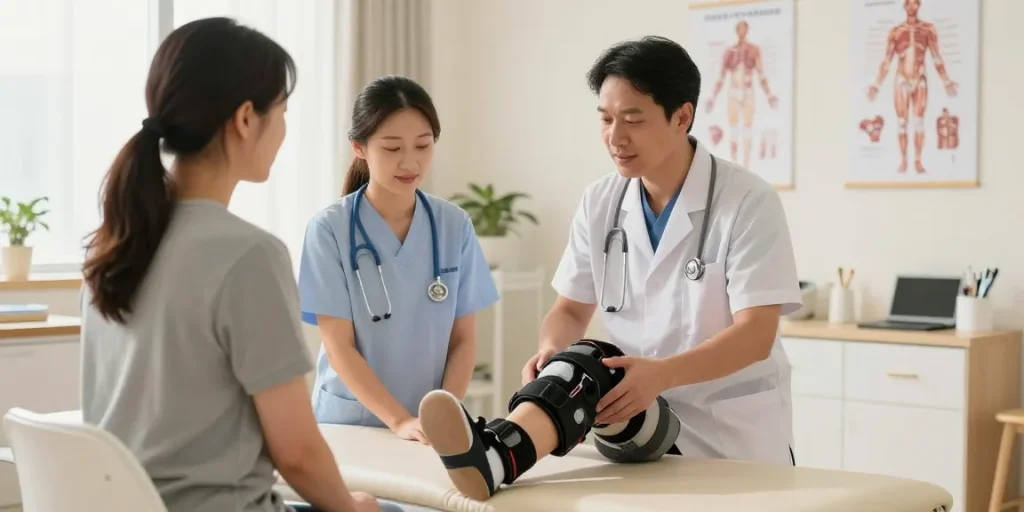

Understanding Orthopedic Accessories
Orthopedic accessories are specialized devices designed to support and enhance the functionality of the musculoskeletal system. These items play a crucial role in rehabilitation, injury prevention, and chronic pain management. As individuals increasingly seek effective solutions for orthopedic issues, the demand for orthopedic accessories continues to grow. Whether through braces, splints, supports, or orthotics, these accessories serve to facilitate recovery and improve mobility, allowing people to return to their daily activities with greater ease.
What Are Orthopedic Accessories?
Orthopedic accessories encompass a wide variety of products that assist in the treatment and management of musculoskeletal conditions. They are designed to provide support, reduce pain, and improve mobility in individuals suffering from injuries or chronic conditions. Common examples include knee braces, ankle supports, wrist splints, and orthotic shoes. These accessories can be used by athletes recovering from sports injuries, patients undergoing rehabilitation post-surgery, or individuals with conditions like arthritis and osteoporosis.
Types of Orthopedic Accessories Available
There are various types of orthopedic accessories available to cater to different needs. Here are some common categories:
- Braces and Supports: These include knee braces, ankle supports, and wrist braces that stabilize and protect joints during movement.
- Orthotics: Custom-made shoe inserts that provide support and alignment for the foot and ankle.
- Splints: Devices used to immobilize or support injured limbs, commonly used in acute injury management.
- Compression Garments: Products designed to provide gentle pressure on specific areas, enhancing circulation and reducing swelling.
- Mobility Aids: Includes walkers, canes, and crutches that assist individuals with mobility challenges.
Benefits of Using Orthopedic Accessories
The benefits of using orthopedic accessories are manifold. Some key advantages include:
- Pain Relief: Many accessories are designed to alleviate discomfort associated with injuries and chronic conditions.
- Improved Mobility: By providing necessary support, these accessories enable individuals to move more freely and confidently.
- Prevention of Further Injury: Properly fitted braces and supports can help prevent exacerbation of existing conditions or new injuries.
- Enhanced Rehabilitation: Orthopedic accessories can aid in the recovery process post-surgery or after injuries, facilitating a smoother return to normal activities.
Choosing the Right Orthopedic Accessories
When it comes to selecting orthopedic accessories, the options can be overwhelming. Factors such as the specific condition, level of comfort, and intended use play significant roles in making the right choice.
Factors to Consider When Selecting Accessories
Choosing the appropriate orthopedic accessory can greatly affect recovery and overall comfort. Consider the following factors:
- Condition Diagnosis: Consult with a healthcare professional to identify the specific condition needing support.
- Size and Fit: Ensuring the accessory fits properly is crucial for its effectiveness; ill-fitting items can cause discomfort or injury.
- Material: Look for breathable and flexible materials to ensure comfort during wear.
- Level of Support: Determine the level of support required, whether light support for mild discomfort or heavy support for significant injuries.
Custom vs. Off-the-Shelf Options
One critical decision when choosing orthopedic accessories is whether to opt for custom-made solutions or off-the-shelf options. Custom accessories are tailored to an individual’s specific anatomy, providing the most precise fit and support. However, they can be costlier and require more time to obtain. In contrast, off-the-shelf options are widely available and typically more affordable, making them a convenient choice for many people. Ultimately, the choice hinges on the severity of the condition and personal preference.
Common Misconceptions About Orthopedic Accessories
Several misconceptions surround orthopedic accessories that can lead to confusion for consumers. Here are some common myths debunked:
- Only Athletes Need Supports: While athletes commonly use these products, anyone with joint pain or musculoskeletal issues can benefit from orthopedic accessories.
- More Support Equals More Stability: It’s important to balance support with mobility; too much restriction can hinder movement.
- All Accessories Are the Same: There are various types and styles, each designed for specific conditions and needs.
Where to Purchase Orthopedic Accessories
Finding the right place to purchase orthopedic accessories can influence both cost and quality. Consider the following options to ensure you make a well-informed decision.
Online Retailers vs. Local Stores
Online shopping offers convenience and a wider selection of orthopedic accessories compared to local brick-and-mortar stores. However, local stores provide the advantage of trying on products to ensure proper fit before purchase. Evaluating both options can lead to finding the best deal and the right product for your needs.
Comparing Prices and Quality
When purchasing orthopedic accessories, price and quality often go hand in hand. It’s vital to conduct thorough research on brands, read reviews, and compare prices across multiple retailers to ensure you are getting both a good deal and a high-quality product. Don’t hesitate to consult with medical professionals for recommendations on trusted brands.
Utilizing Discounts and Promotions Effectively
Many retailers offer discounts, especially during specific seasons or events like Black Friday. Signing up for newsletters or loyalty programs can provide access to exclusive promotions, helping you save significantly on orthopedic accessories. Additionally, don’t forget to look for insurance coverage that may partially reimburse the cost of certain healthcare products.
Best Practices for Using Orthopedic Accessories
To maximize the benefits of orthopedic accessories, it’s essential to use them correctly and maintain them well. Here are some best practices to keep in mind.
How to Properly Fit and Adjust Accessories
Proper fitting is critical for effectiveness. Follow these guidelines for fitting and adjusting:
- Read Instructions: Always refer to the manufacturer’s guidelines for fitting adjustments.
- Test for Comfort: Wear the accessory for a short period initially to assess comfort before extended use.
- Regularly Check Fit: As conditions change or weight fluctuates, ensure fittings remain optimal.
Common Mistakes to Avoid
Avoiding common pitfalls can enhance the effectiveness of your orthopedic accessories:
- Ignoring Maintenance: Regular cleaning and inspection can extend the lifespan of your products.
- Using Beyond Recommended Period: Extended use without breaks can lead to dependency or further injury.
- Neglecting Professional Advice: Always consult with healthcare professionals for guidance on usage and adjustments.
Maintaining and Caring for Your Accessories
Proper maintenance helps prolong the life of orthopedic accessories. Care tips include:
- Cleaning: Follow manufacturer instructions for cleaning, often involving gentle hand washing or wiping with a damp cloth.
- Storage: Store accessories in a cool, dry place away from direct sunlight to prevent degradation of materials.
- Regular Inspections: Check for signs of wear and tear, and replace items as necessary to ensure continued effectiveness.
Future Trends in Orthopedic Accessories
The orthopedic accessories market is evolving, with innovations anticipated to reshape product offerings in the coming years.
Innovations in Design and Technology
Advancements in material technology and design are pushing the boundaries of orthopedic accessories. Expect to see:
- Smart Accessories: Devices embedded with sensors that provide real-time feedback on posture and usage.
- 3D Printing: Custom-fit products created rapidly and efficiently through advanced 3D printing technologies.
- Biodegradable Materials: Environmentally friendly options that do not compromise on quality or performance.
Predicted Market Growth by 2026
Market analysts anticipate significant growth in the orthopedic accessories sector by 2026 due to increasing awareness of orthopedic health, rising geriatric populations, and a growing inclination towards preventive healthcare. The market is expected to witness innovations that focus on patient-centric designs, ultimately enhancing user experience.
Consumer Preferences and Behavioral Changes
Consumers are increasingly looking for personalized solutions and will prioritize products that offer both comfort and functionality. The trend towards telehealth will also impact purchasing behaviors, with more patients seeking online consultations and direct access to customized orthopedic accessories.